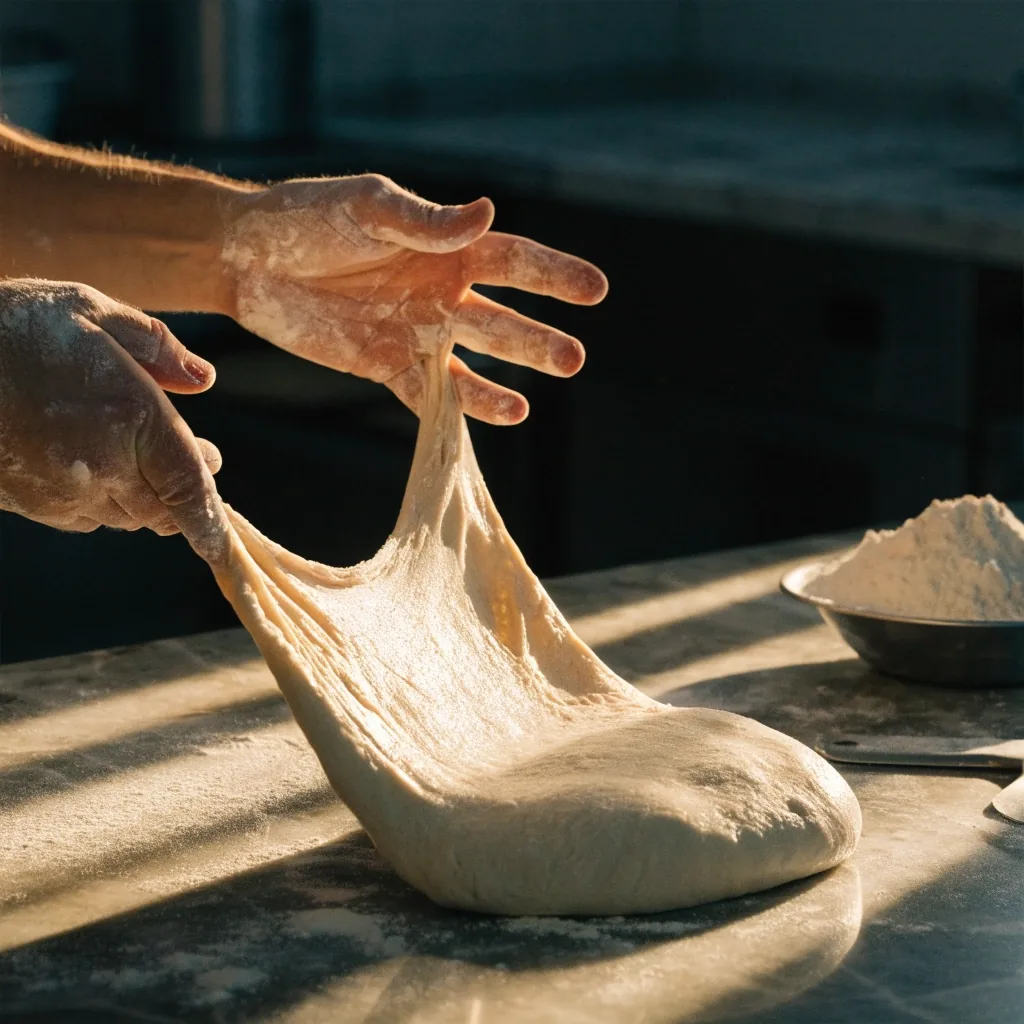
Hands stretching pizza dough on a flour-dusted bench under a single warm lamp in a night kitchen

Bake profile — every recipe in this book

Proof

1–3 h

Cold ferment

24–72 h

Bake

5–14 min

About Dion's Pizza Cookbook

One cook, one Brooklyn kitchen, and eight regional pizza styles tested on a home oven until each formula held up.

Who wrote it

The cookbook is an author collection, written and tested by one cook rather than assembled by a committee. That matters for how the recipes read: each one carries notes from actual batches, including the ones that failed.

There is no restaurant line, no franchise kitchen, and no product sponsorship behind the book. The author cooked, wrote, and retested until each formula held up on a normal home setup. Dion's Pizza Cookbook started as a stack of index cards in a Brooklyn kitchen and turned into a full collection of regional pizza styles.

The address on the door is 482 Pizza Lane, Brooklyn, NY 11211, and the recipes were tested in that kitchen, on the same home oven most readers own.

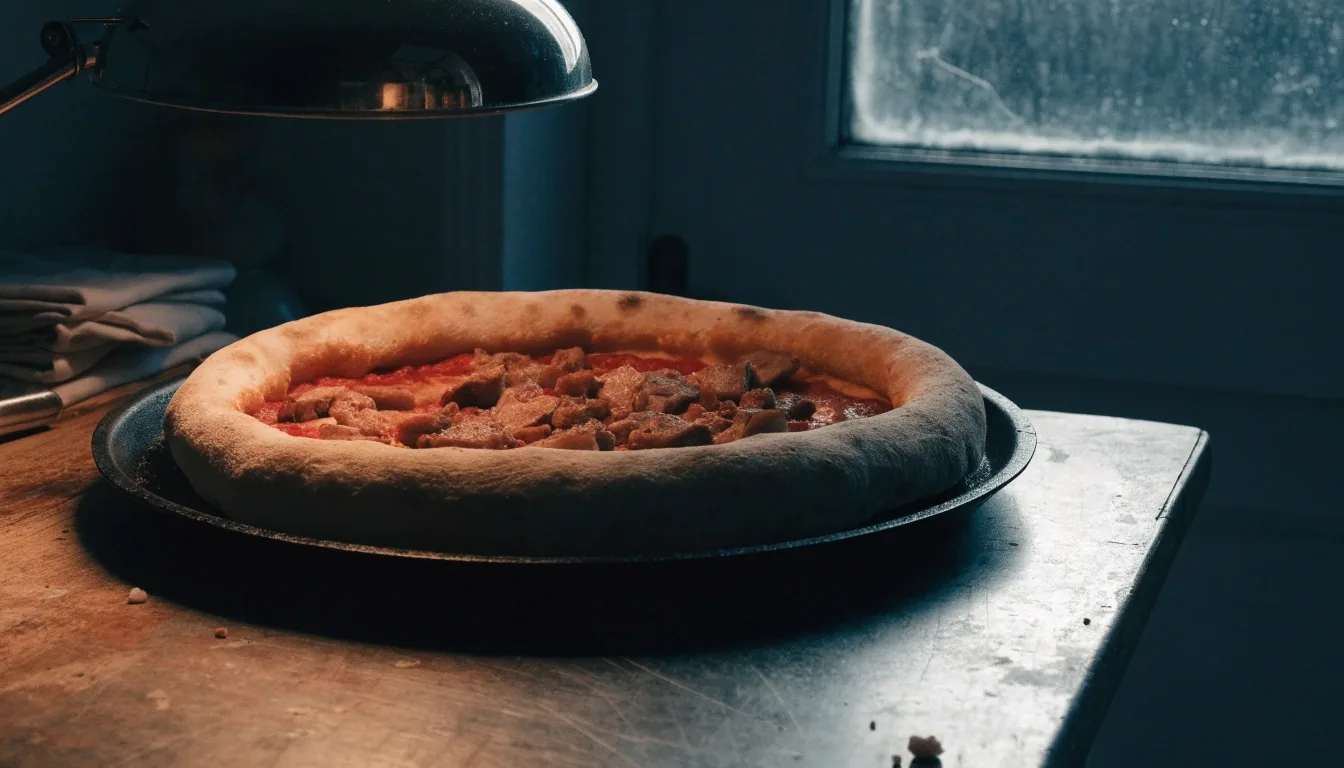
Why regional styles, not just one

Pizza is regional in a way that few foods are. Neapolitan, New York-style, Detroit-style, Chicago deep-dish, Chicago stuffed, New Haven-style, Roman al taglio, and focaccia all use the same basic ingredients, and they all taste different because the method changes.

Detroit-style

Pan proofing & edge cheese

Best at home
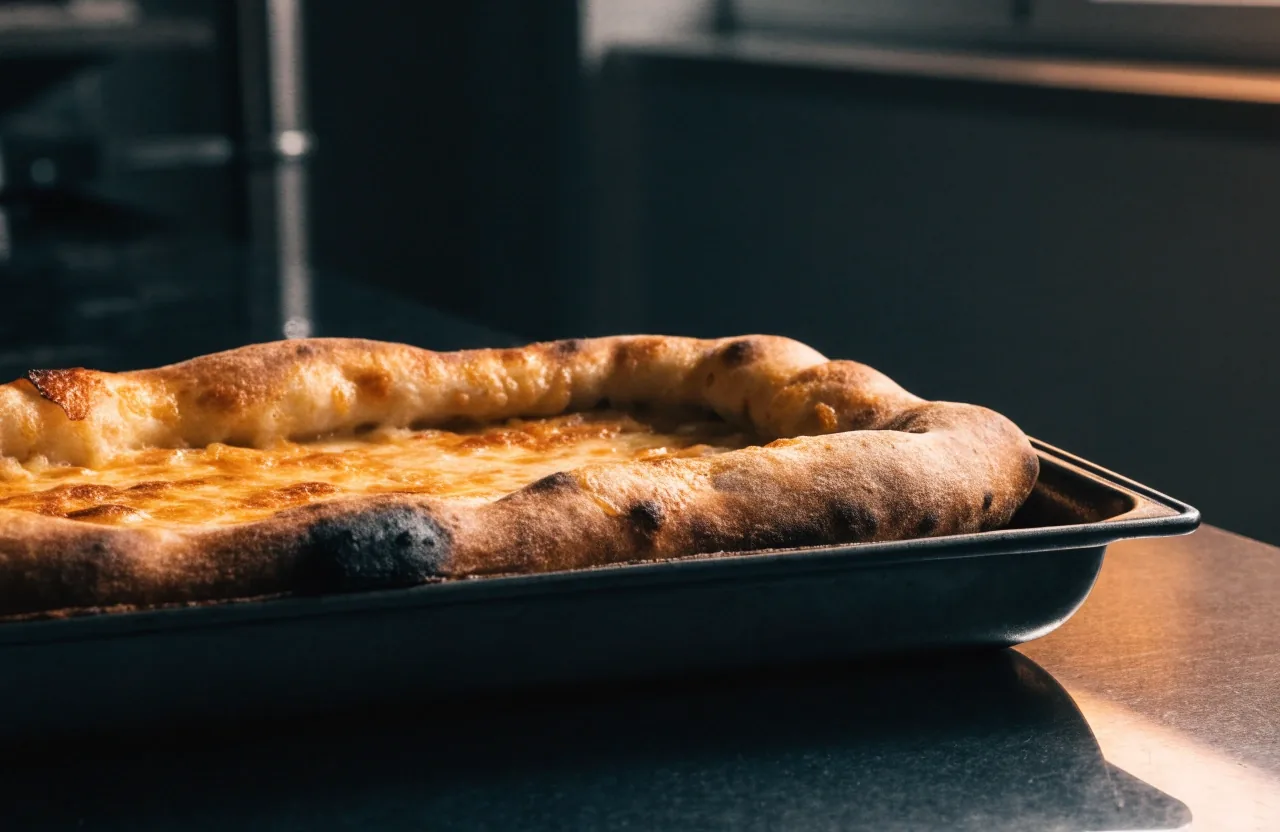
Detroit-style pan pizza with caramelized cheese edges in a black steel pan

Learning Detroit-style teaches pan proofing and edge cheese. The dough relaxes into the corners while the cheese fries against the steel, which is why this one often bakes better in a home oven than in a restaurant pass.

Proof Bake Pan 2–4 h 12–15 min Steel

Neapolitan

High heat & dough handling

Wants more heat
Blistered Neapolitan pizza crust resting on a steel peel on a dark bench

Learning Neapolitan teaches high-heat baking and dough handling. Reading the two side by side shows you what actually drives the difference: hydration, fermentation, and how much heat the crust can take before the outside burns.

Proof Bake Heat 8–24 h 60–90 sec Highest

Research behind the styles

The regional history in each chapter is drawn from the public record of how these styles developed. The book does not claim to be the definitive history of any of them. It is a working cookbook that gives you enough context to understand why a style bakes the way it does.

If you want a deep history, there are books for that. If you want to bake, this is the one.

Compare pizza styles
Style Oven Trait
Chicago deep-dish Deep pan Traced to 1943
Chicago stuffed Deep pan Layered filling
Detroit-style Steel pan Automotive-era roots
Roman al taglio Deck oven Sold by weight
Focaccia Sheet pan Olive oil crumb

How the recipes were tested

Testing happened in a home oven, on a baking steel, on a stone, and on a covered grill. Each recipe was made at least twice, and the ones that misbehaved were adjusted until they were repeatable.

Where each style asks the most from you

Hydration
Ferment
Heat
Shaping

Where a style really wants more heat than a home oven can give, the book says so and shows the closest workaround. Where a style is better at home than in a restaurant, like Detroit or focaccia, that gets noted too. Nothing here was written from a restaurant pass.

Steel peel and baking steel resting on a dark stone counter in a night kitchen

The loop, plainly

  1. 1Mix, then record the hydration you actually used.
  2. 2Ferment on a clock and write the hours down.
  3. 3Shape, bake on the recorded oven setup, taste.
  4. 4When a batch goes wrong, change one variable and try again.

It is not glamorous and it is not fast, but it is how the formulas ended up as reliable as they are. The failure notes are printed alongside the recipes because they save you a batch or two.

Eight styles, one dough lesson each, all baked on a home oven.

What the book covers, and what it doesn't

Inside the collection

  • Eight regional styles, each with a full dough formula and a finished pie.
  • Dedicated chapters on dough, sauce, and cheese, so you can rebuild any style from its parts.
  • Fermentation times long enough to fit a work schedule and batch sizes small enough for two people.
  • Notes printed beside the recipe when a step has a common failure point.

Not in this book

  • Gluten-free dough formulas.
  • Commercial pizza operations, throughput, or equipment buying.
  • Dessert pizza.

The assumption throughout is a normal kitchen: a standard oven, a scale, and some patience. If you have a wood-fired oven, the book will still work, but it is not required.

A word on ingredients

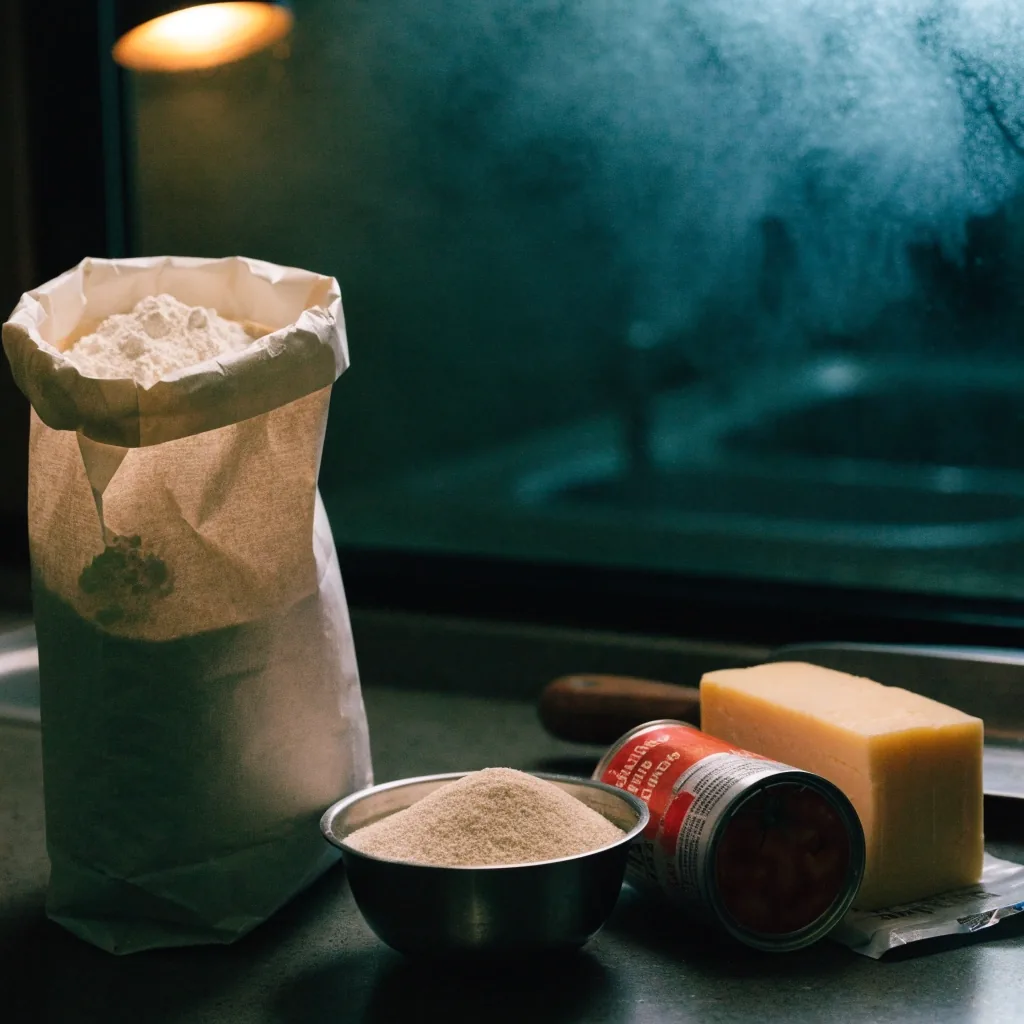
The recipes assume supermarket ingredients. Bread flour, all-purpose flour, instant yeast, canned crushed tomatoes, low-moisture mozzarella, and a block of brick cheese for Detroit-style.

Where a specialty ingredient helps, the book flags it as optional and explains what changes if you skip it. There is no proprietary flour blend, no imported cheese you have to mail-order, and no ingredient list designed to sell you something else. The book's job is to teach method, and method works with what you have.

Bread flour, yeast, crushed tomatoes, and brick cheese laid out on a night kitchen counter

The home kitchen as the target

A lot of pizza writing assumes a restaurant setup: a deck oven, a dough sheeter, a walk-in. This book assumes a home oven with a top rack and a steel. That constraint shaped every recipe.

Fermentation window 24–72 h cold
Batch size 2 pies
Bake surface Steel or stone
Weeknight capable Yes, with planning

The hardest recipes are still doable on a weeknight with a little planning. That is the whole design goal, and it is why the dough chapter opens the book rather than the toppings.

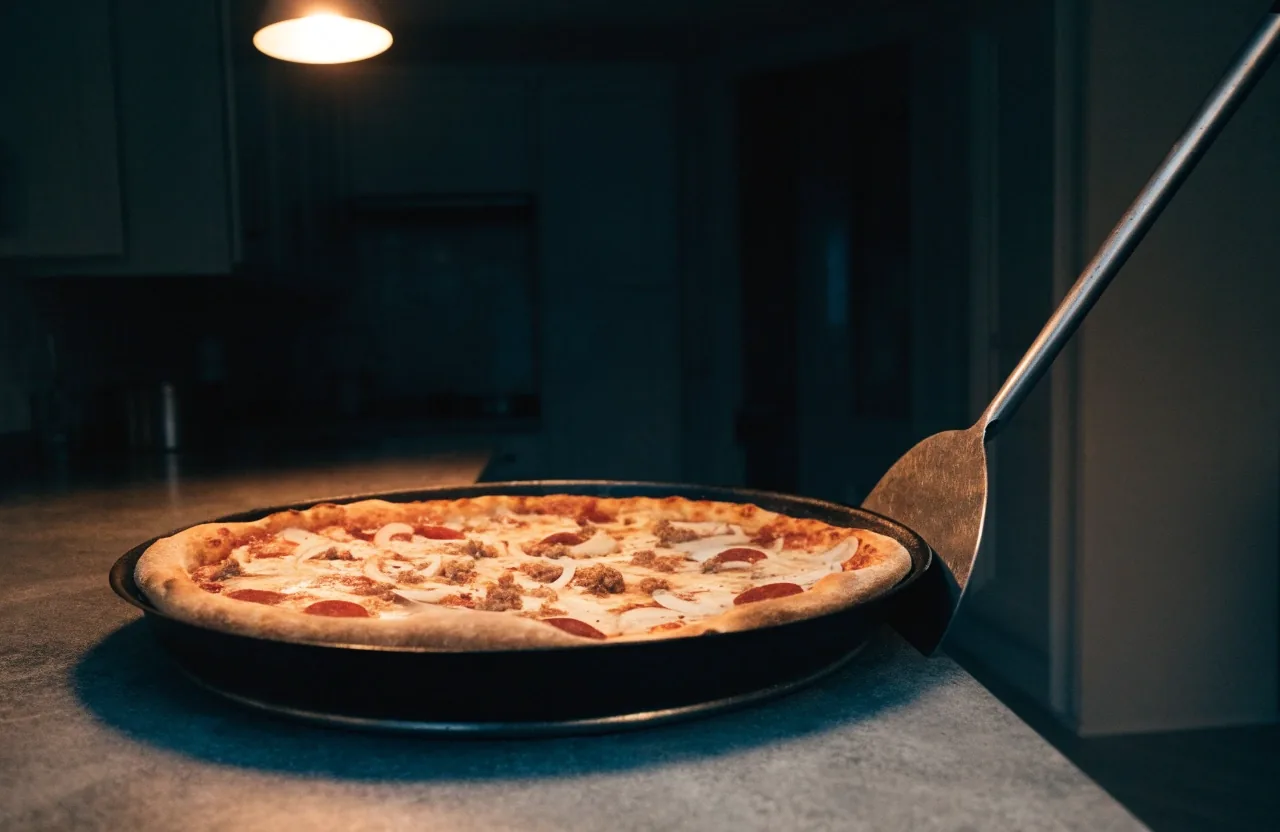
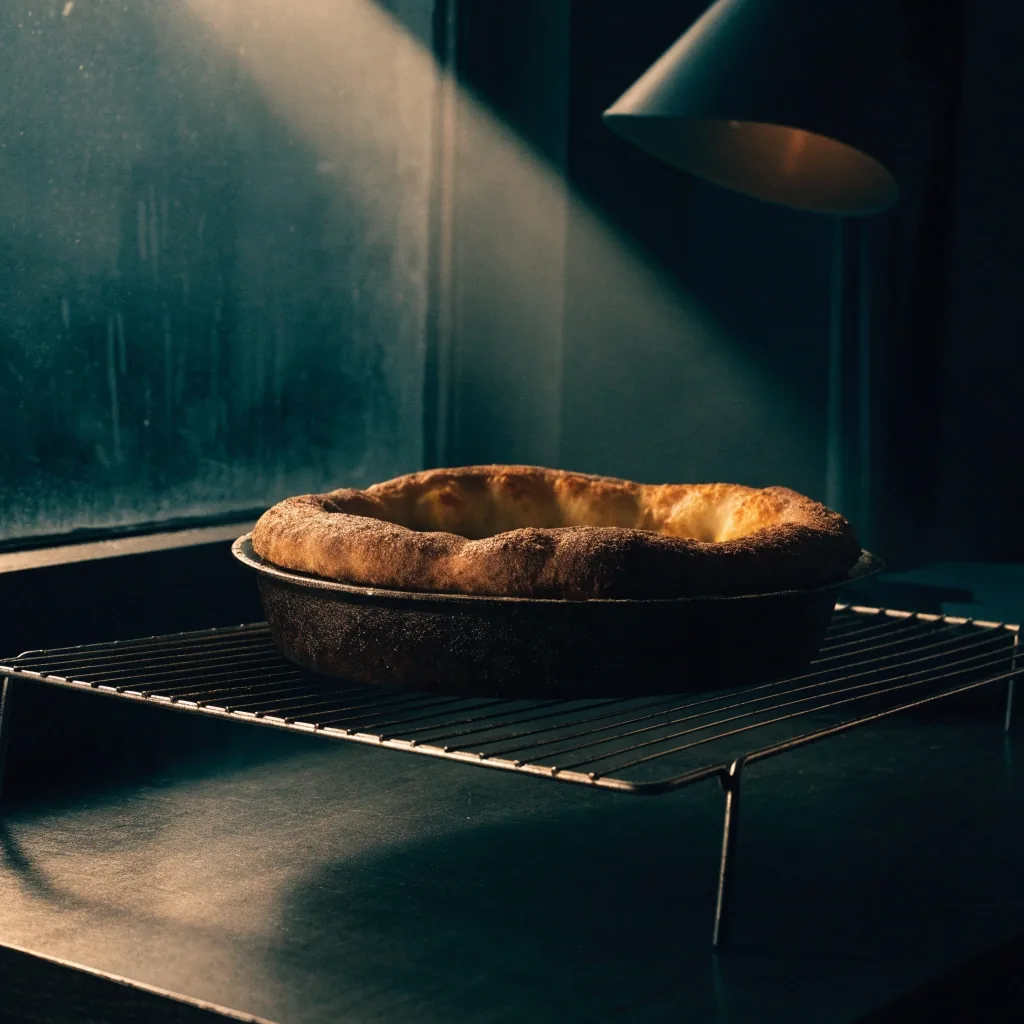
A finished pizza resting on a cooling rack on a dark bench under one warm lamp

Why this book exists

There is no shortage of pizza content online, and a lot of it is good. What is harder to find is one tested, coherent collection that teaches the styles together and treats dough as the main subject. That is the gap this book fills.

It is not the only pizza cookbook you could own, and it does not pretend to be. It is a working reference for home bakers who want to understand the why behind the recipe, not just follow steps.

Contact and bulk orders

Questions about a recipe, a bulk order for a class, or a signed copy go through the contact page. The author answers directly. There is no call center and no automated ticket system. If you are buying for a group, mention the quantity and the shipping city, and you will get a straightforward reply with details.

Reach the kitchen

Where to go next

See the styles before you bake them

The style guide walks through how each regional method changes the dough, the pan, and the bake. The recipe previews show how a chapter reads before you commit to the whole collection.