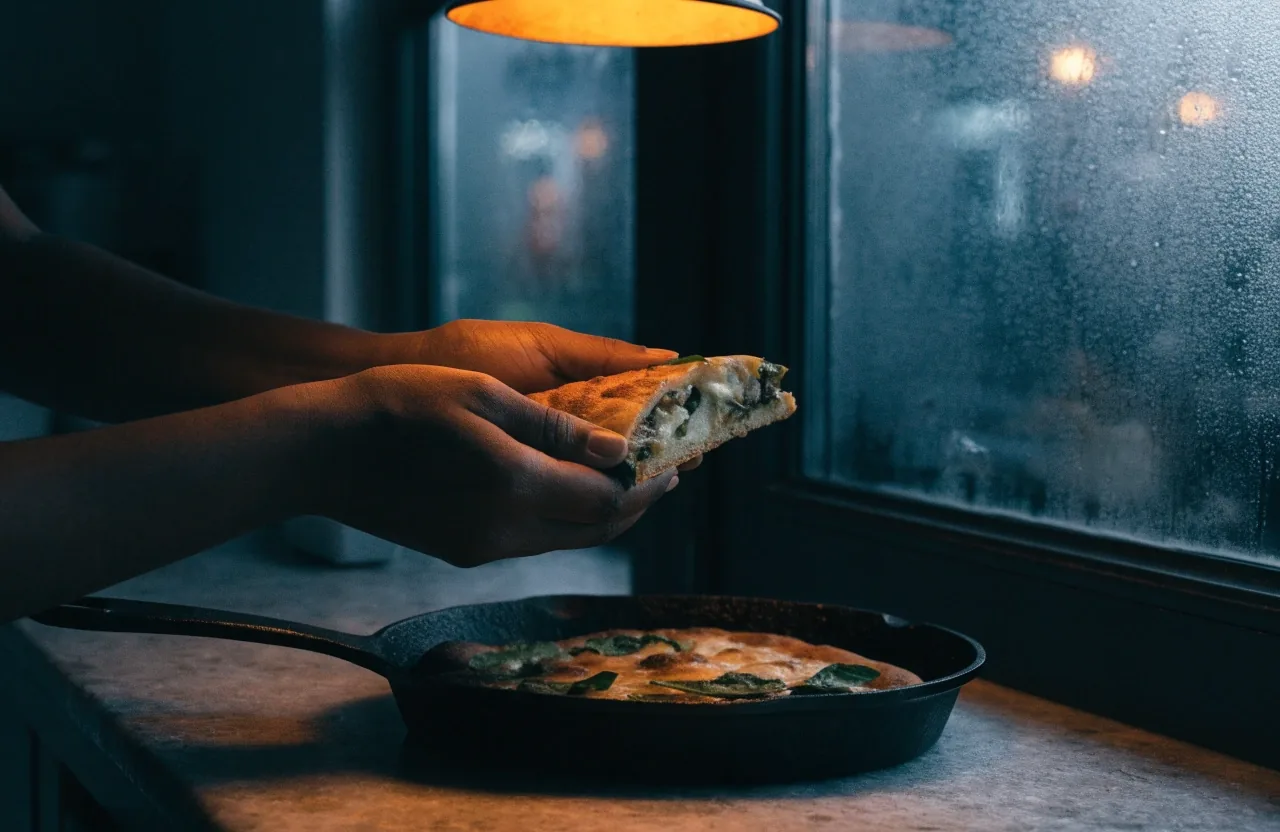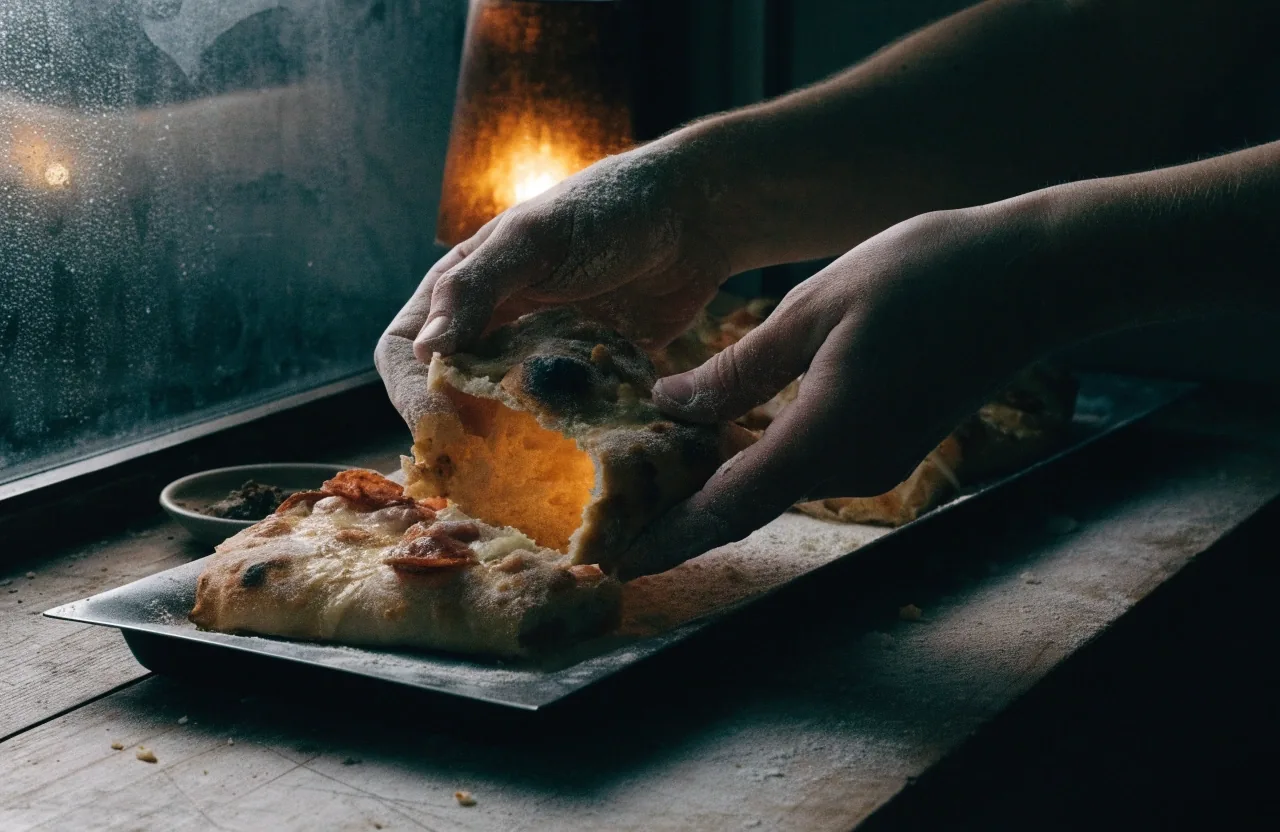
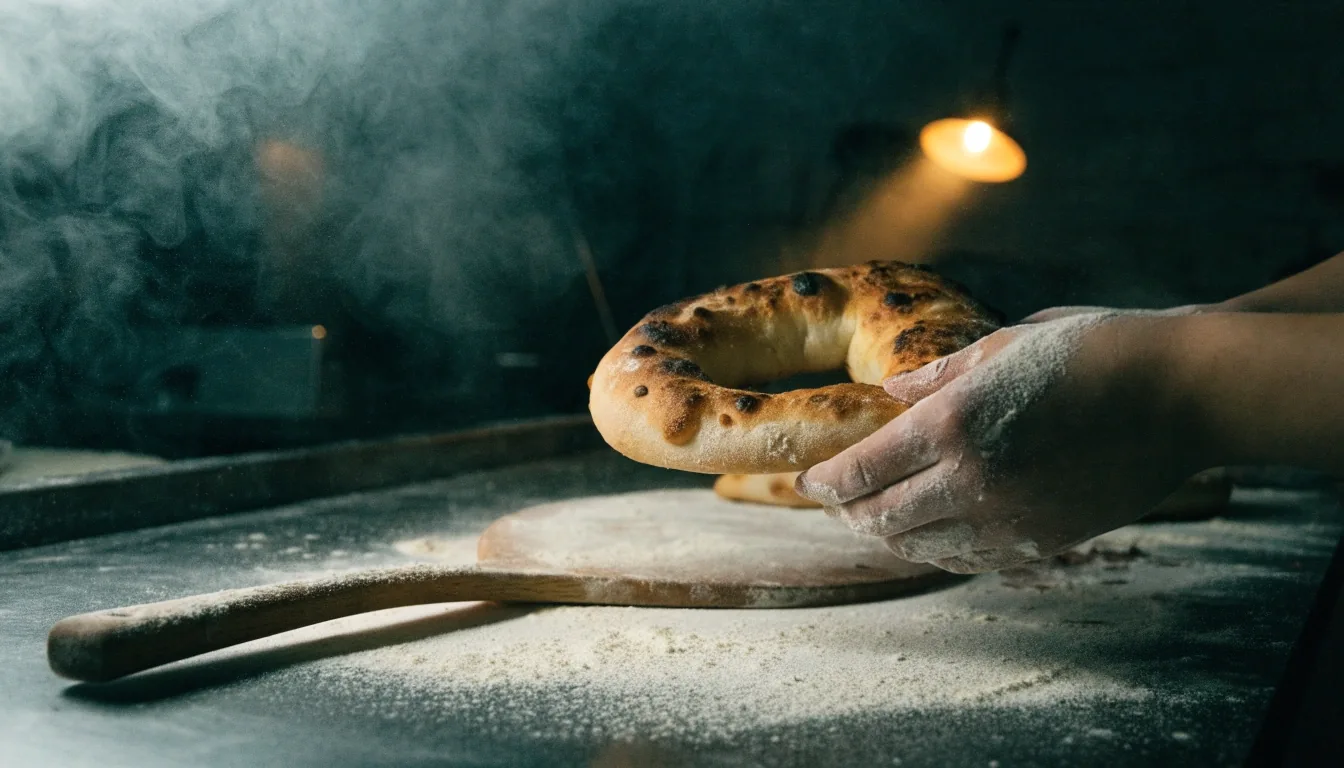
A New York-style pizza on a stone bench under one warm lamp in a night kitchen

Dough stage profile — New York-style

Hydration
62%
Cold ferment
24 hours
Bake
500–550°F on steel

Recipes from Dion's Pizza Cookbook

This page previews a selection of recipes from the book so you can see how they're written and how much detail each one carries. Every recipe lists dough hydration, ferment time, and oven setup up front, and every one has been tested in a home kitchen.

How each recipe is written

The full collection covers eight styles across eight chapters, plus reference chapters on dough, sauce, and cheese. What you read below is a sample of each: the same stage data, the same step order, and the same notes on where a bake usually goes wrong. If a recipe lists a cold ferment window or an oven temperature, that number is the one used in the test bake, not a range to guess at.

Two starters that teach the rest

Dion's pizza recipes lean on two doughs more than any others. Bake these two and you have the habits — mixing, fermenting, shaping, and reading an oven — that the remaining chapters assume.

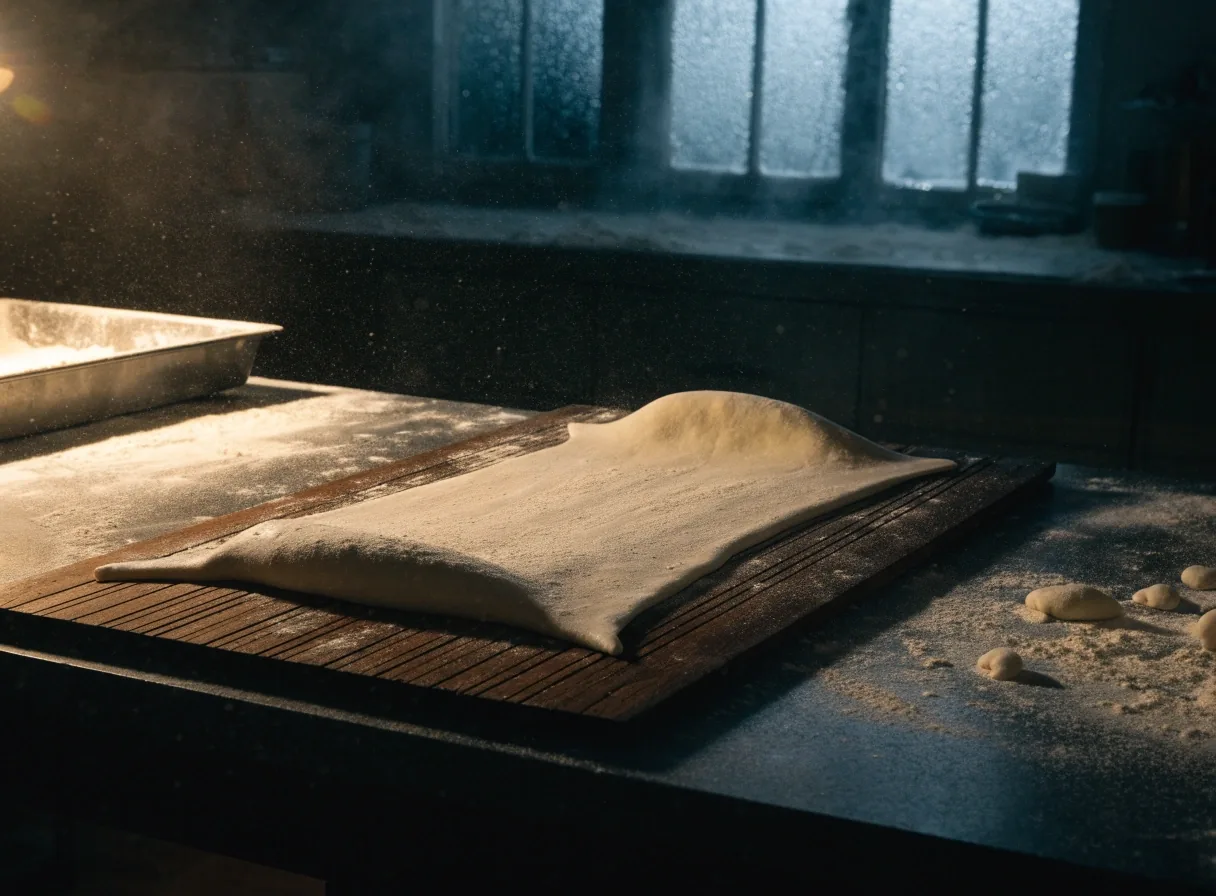
A New York-style dough skin stretched across a floured peel on a night kitchen bench

New York-style dough

The workhorse of the book. It's a 62% hydration dough with a 24-hour cold ferment, and it bakes on a steel at 500–550°F. The recipe walks through stretch-and-fold, the windowpane test, and shaping on a peel. It's the first recipe most readers try, and the one that teaches the skills the other styles depend on.

Hydration Ferment Oven 62% 24 h cold 500–550°F

If you bake only one recipe from this book, this is the one.
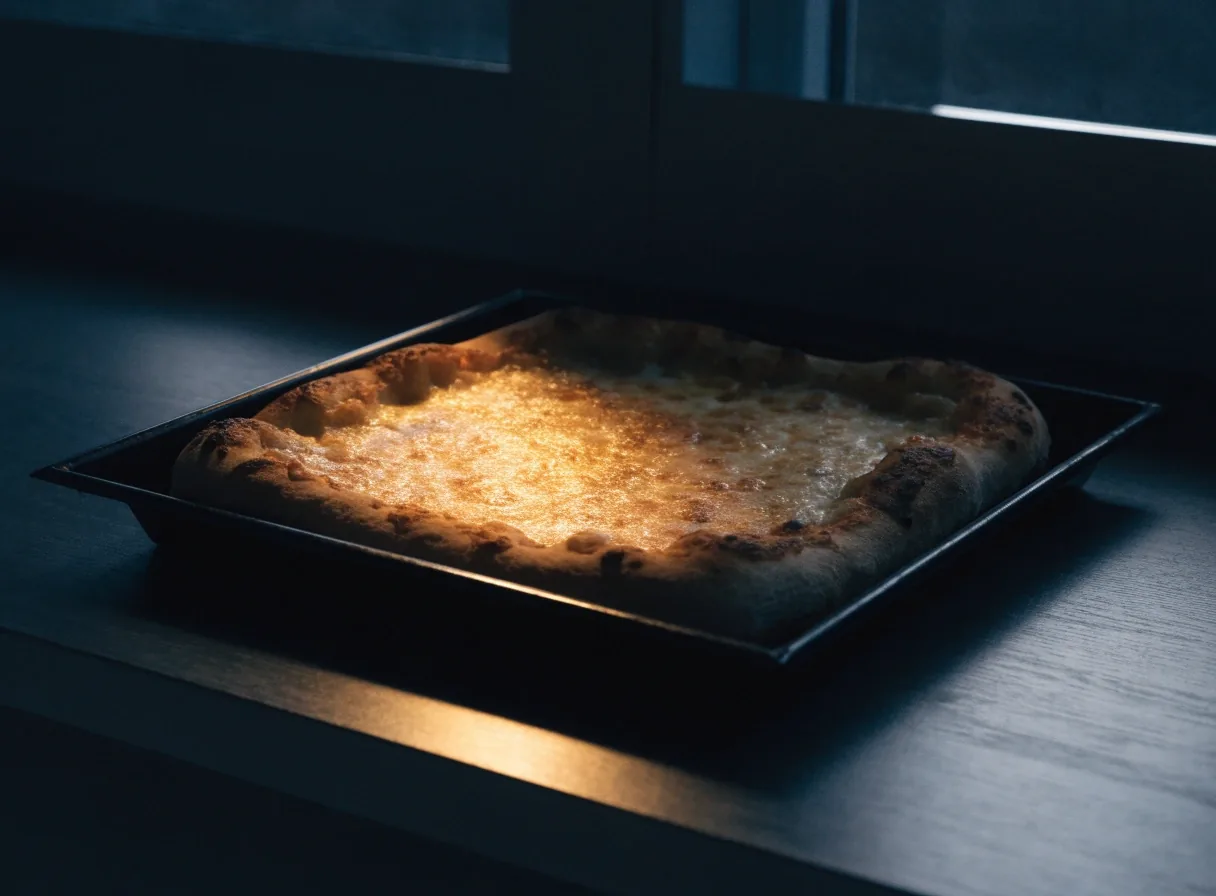
A Detroit-style pan pizza with cheese caramelized to the edges of a steel pan

Detroit-style pan pizza

Detroit-style uses a higher-hydration dough proofed directly in a rectangular pan, with cheese pushed to the edges before baking. The recipe covers pan proofing, the cheese-to-the-edge step, and the bake time that gives the crispy corners. It's a forgiving recipe, and it's one of the few styles that genuinely improves in a home oven.

Hydration Proof Pan 72% 3 h in pan 9 × 13 in

The finished pie is cut into squares, and the corners are the best part.

The Chicago chapters, and why the parbake matters

Both Chicago recipes are layered bakes, and both fail in the same place: a soft, pale bottom crust. The book treats the parbake as a step you time, not a step you skip, and it explains what each layer is doing while the pie is in the oven.

Chicago deep-dish

The deep-dish recipe uses a pastry-like dough, a parbaked shell, and a layered filling with cheese on the bottom and sauce on top. The parbake step is critical and the recipe explains why: without it, the bottom crust stays pale and soft. Bake time is longer than a thin-crust pie, and the result is a fork-and-knife pizza. The recipe notes the common failure points so you can avoid them on the first try.

Parbake12 min Total bake35–40 min Pan9 × 2 in deep

Chicago stuffed pizza

Stuffed pizza adds a top crust over the fillings, making it deeper and more elaborate than deep-dish. The recipe builds the pie in layers: bottom crust, cheese, fillings, top crust, sauce. It's the most dramatic bake in the book and the one that draws the most questions.

A finished Chicago stuffed pizza with the layered filling visible at one cut slice

The recipe includes a note on which fillings hold up to the longer bake and which ones should be added late.

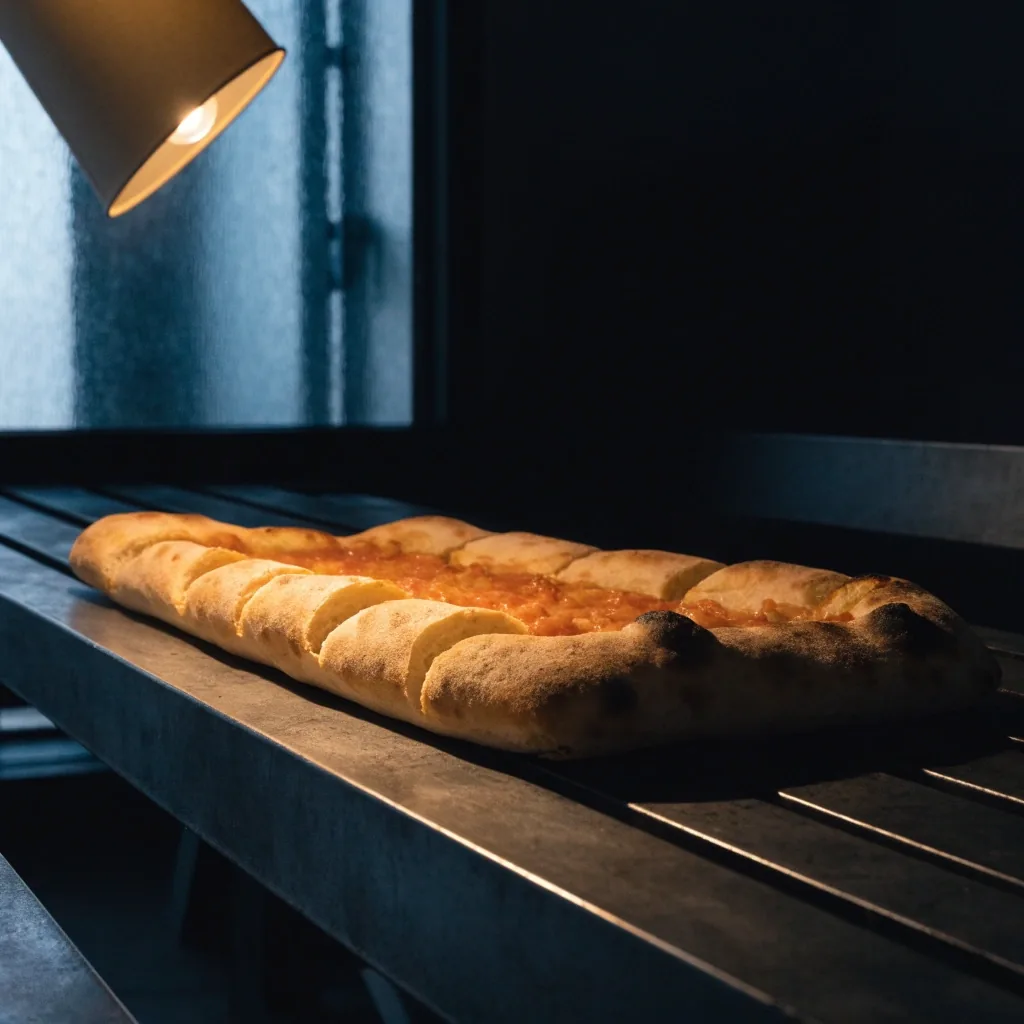
A rectangular slab of Roman pizza al taglio cut into portions on a dark bench

Pizza al taglio and focaccia

Al taglio is a Roman rectangular pizza sold by the slice or by weight. The recipe uses a higher-hydration dough, parbakes it in a sheet pan, then finishes it with toppings and a second short bake. It's built for cutting into portions, which makes it a good choice for a crowd. The recipe covers the parbake timing and the second bake, since both affect the final texture.

The focaccia recipe is the easiest bake in the book and the best entry point if you're new to pan-baked doughs. The dough is enriched, pan-proofed, dimpled, and baked at moderate heat with olive oil and toppings. It teaches you how a pan bake behaves, which carries directly into Detroit-style. The recipe includes a note on how to get an even crumb and how to avoid a dense, oily bottom.

Stage profile — al taglio

Parbake
Second bake
Cool before cut

Two base sauces, two jobs

The book keeps three sauces. Two of them do most of the work, and the choice between them comes down to how long the pie sits in the oven.

No-cook summer sauce

About 5 min

One of three base sauces in the book, the no-cook summer sauce is crushed tomatoes, salt, and a little olive oil, mixed cold and used the same day. It's the sauce for New York-style and Neapolitan when tomatoes are good, and it takes about five minutes. The book explains why cooking the sauce isn't always better, and which styles actually want a cooked sauce instead.

Slow-cooked sauce

Long simmer

The slow-cooked sauce is the base for Detroit-style, deep-dish, and stuffed pizza. It simmers longer to concentrate flavor and thicken, which matters for styles with a longer bake. The recipe is simple, but the timing and the tomato choice make a difference. The book walks through both and explains what changes if you use a different tomato.

A 24-hour cold ferment changes the crust more than any topping will.

The technique chapters behind every recipe

Three of the book's chapters are not pizzas at all. They are the reasons the pizza recipes work, and they read the same way: a stage walkthrough, the numbers that matter, and the signs that tell you the dough is ready.

Cold ferment basics

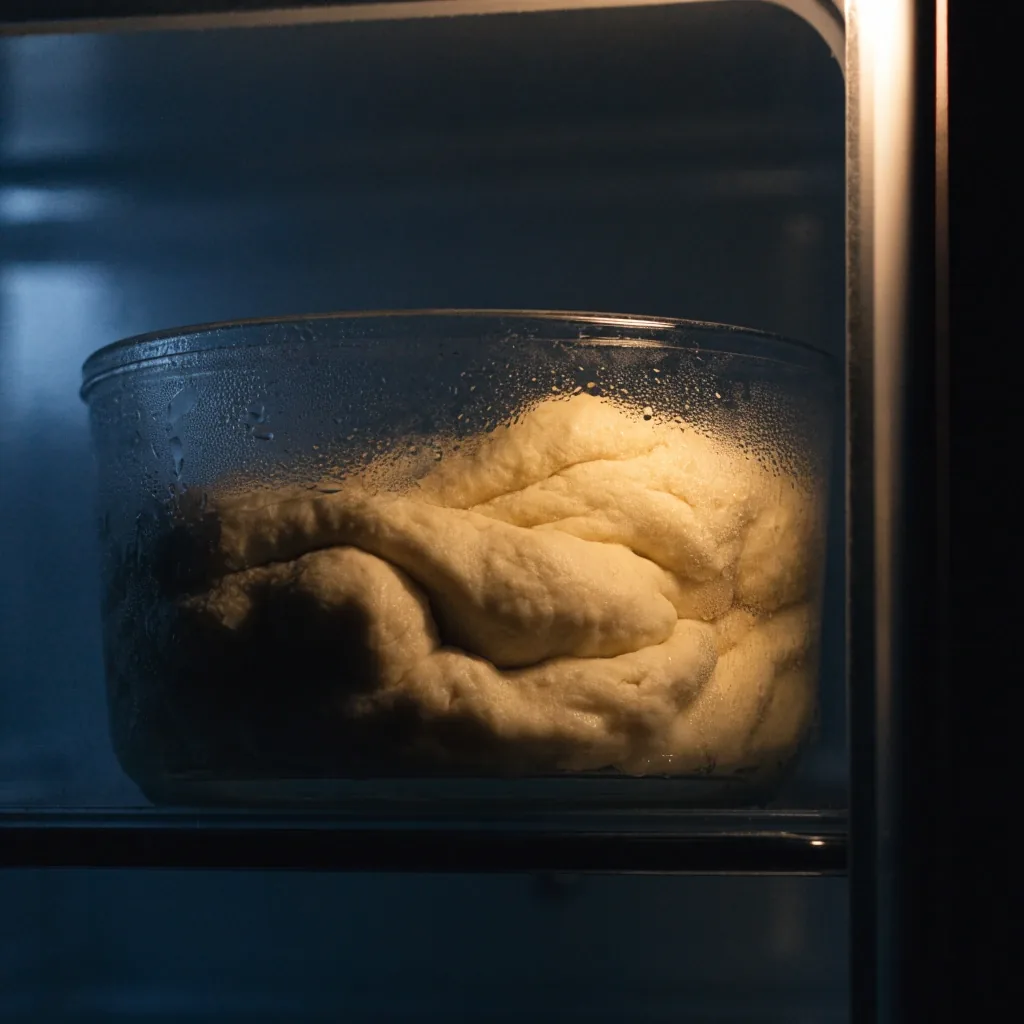
Cold ferment is the technique behind most of the doughs in the book. The recipe-style walkthrough covers how long to ferment, what temperature the fridge should be, and how to tell when the dough is ready. A 24-hour cold ferment changes the crust more than any topping will, and it's the single biggest upgrade a home baker can make. The book treats it as a skill, not a step.

Fridge38–40°F Window24–72 h

Poolish and preferments

Poolish is a pre-ferment that adds flavor and extensibility to the dough. The book uses it for New York-style and al taglio, and explains when it helps and when it's unnecessary. The recipe covers the poolish build, the timing, and how to fold it into the main dough. It's a small extra step that makes a noticeable difference in the finished crust.

A tub of cold-fermenting pizza dough on a dark refrigerator shelf under warm light

Shaping and stretching

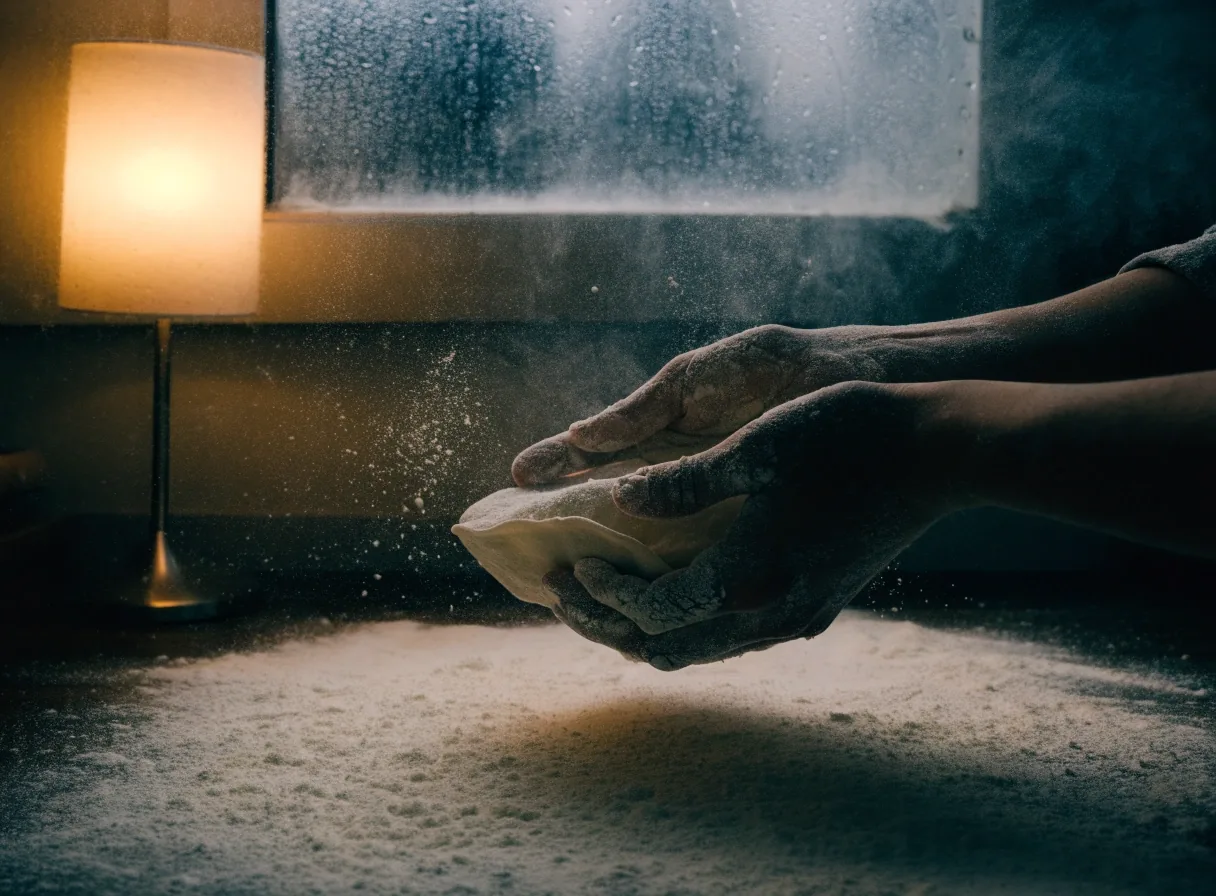
Shaping is where most home bakers struggle, and the book gives it a full chapter. The recipe-style walkthrough covers stretching by hand, using a peel, and avoiding the common mistakes that tear the dough or leave it uneven. It also covers the windowpane test, which tells you when the dough is ready to shape. If your pies come out lopsided, this is the chapter to read first.

Hands stretching a pizza dough skin over a floured bench in a night kitchen

What's not in the preview

The full book includes eight style chapters, three reference chapters on dough, sauce, and cheese, and a troubleshooting section for the most common failures. The preview here covers a sample of each.

If you want the complete collection, the buy page has the details, and the baking guide covers the techniques that apply across every recipe.

How the eight style chapters are weighted

Dough chapters
Sauce chapters
Cheese chapters
Troubleshooting

Each style chapter carries its own dough, sauce, and bake notes, so the reference material shows up where you actually need it, not only in the back of the book.

Questions before you bake

Short answers to what readers ask most often about the recipes in this preview.

Do I need a pizza oven for these recipes?

No. Every recipe in the book was tested in a home kitchen. New York-style is written for a steel in a standard oven at 500–550°F, and Detroit-style, deep-dish, al taglio, and focaccia all bake in pans in a regular oven. The book notes where a home oven behaves differently from a commercial one and what to adjust.

Which recipe should I start with?

New York-style dough if you want the technique that carries into everything else, or focaccia if you want the easiest first bake and an introduction to pan doughs. Both are forgiving, and both teach habits the later chapters assume.

Do the recipes give weights or cups?

Dough and sauce recipes are written by weight, because hydration, ferment time, and oven setup all depend on consistent measurements. The book explains how to read a dough formula if you have not worked with one before, and where a volume measurement is close enough to use.

Can I skip the cold ferment if I'm short on time?

The book treats cold ferment as a skill with a window, not a switch. If you need dough the same day, the recipes note what changes in flavor and texture and which styles tolerate a shorter rest better than others. Focaccia and al taglio are the most forgiving here.

Where to go next

The buy page covers what's in the full book and how it ships. The baking guide walks through the technique chapters in more detail, and the styles page compares the eight regional pizzas side by side. If you have a question about a specific recipe, write to us and we'll answer it.

Dion's Pizza Cookbook · 482 Pizza Lane, Brooklyn, NY 11211 · Contact the author

A slice of pizza al taglio on a cooling rack under one warm lamp